
B2(中上級) · 🗾 日本 · 368語 · 約3分
Why Japanese Trains Are So Punctual
日本の電車が時間に正確な理由
時間どおりの運行を支えるのは、運転士だけではありません。線路や運行管理、保守作業と安全への備えから、日本の鉄道の正確さを読み解きます。
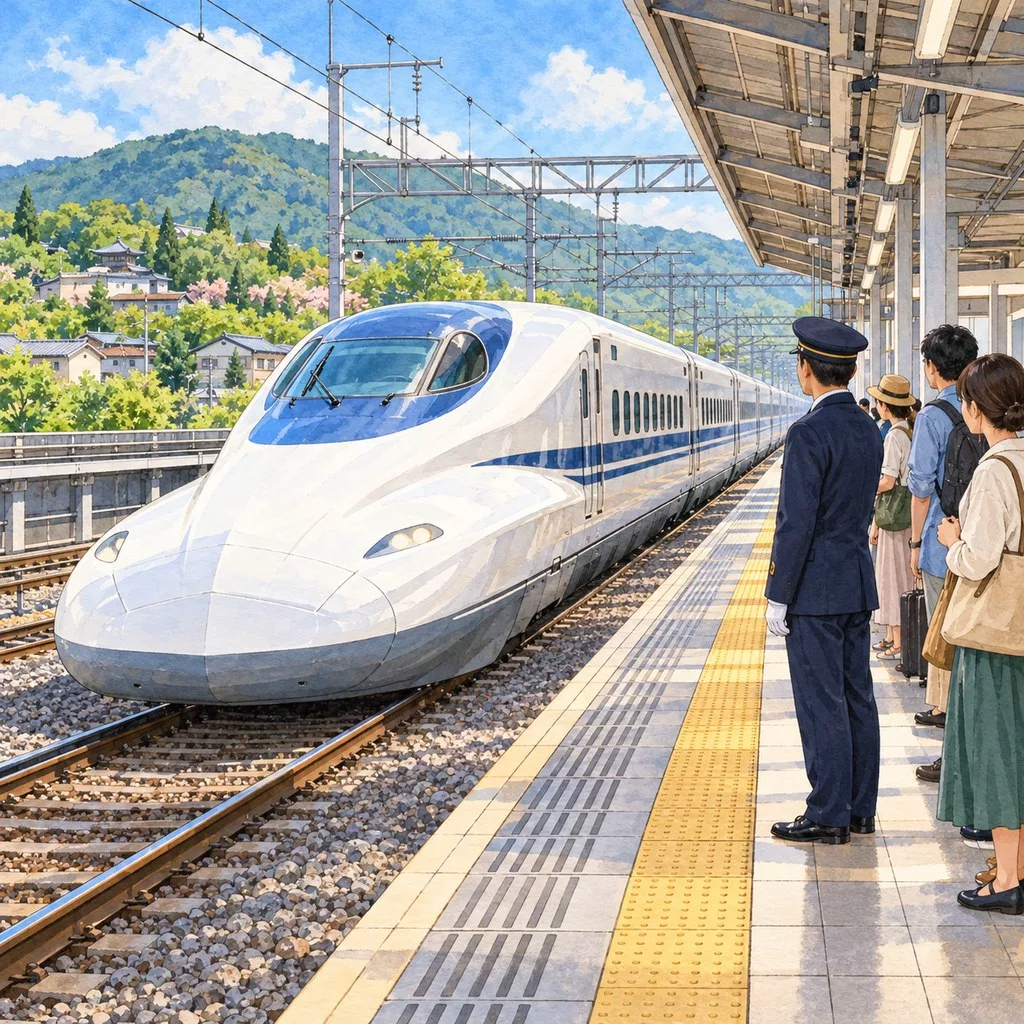
Japanese railways have a strong reputation for , but that reputation is not explained by drivers watching clocks alone. Reliable services depend on , maintenance, careful planning, and communication among people whose jobs passengers rarely see. The Shinkansen provides a useful example, although its operating conditions differ from those of many urban and rural lines. Understanding those differences helps explain why national character alone is an explanation for railway performance.
The Tokaido Shinkansen runs on , without the road crossings found on many railway routes. This separation removes some potential conflicts with road vehicles and gives operators greater control over the railway environment. Automatic train control also speed, supporting safe operation rather than leaving every adjustment entirely to the driver's judgement. These features were built into a coordinated system, so their benefits come from how they work together.
Behind each departure lies a plan for where trains, crews, and equipment need to be throughout the operating day. At control centres, staff monitor train movements and responses when conditions begin to change along the route. Because trains depend on shared infrastructure, a problem affecting one service can also influence others using the same route. Punctuality therefore requires coordination across the network, rather than expecting an individual driver to every lost minute.
Maintenance is equally important, since preventing a fault is usually less than dealing with one during passenger service. Inspections cover vehicles and infrastructure, including the rails and that supply electricity to moving trains. Monitoring equipment on passenger trains can collect information about infrastructure conditions, helping maintenance teams identify changes that need attention. Staff also practise responding to unusual events, because reliable transport depends on preparation as well as technology.
Nevertheless, severe weather, earthquakes, equipment problems, and incidents involving passengers can still interrupt services and create . A safety check may involve several groups of staff confirming conditions before a train can be allowed to continue. An impressively short average delay does not mean that every journey arrives exactly on time or that all lines perform identically. The real achievement is a carefully maintained system, and its must remain protecting people even when the timetable cannot be kept.
理解度チェック(4問)
1. 東海道新幹線の設備上の特徴として、本文にあるものは?
2. 指令所の係員は何をしていますか?
3. 営業列車に搭載した監視装置は何に役立ちますか?
4. 本文が時間の正確さについて強調していることは?
最後まで読んで、理解度チェックに答えると「読み終わった」になります(0 / 5 段落)