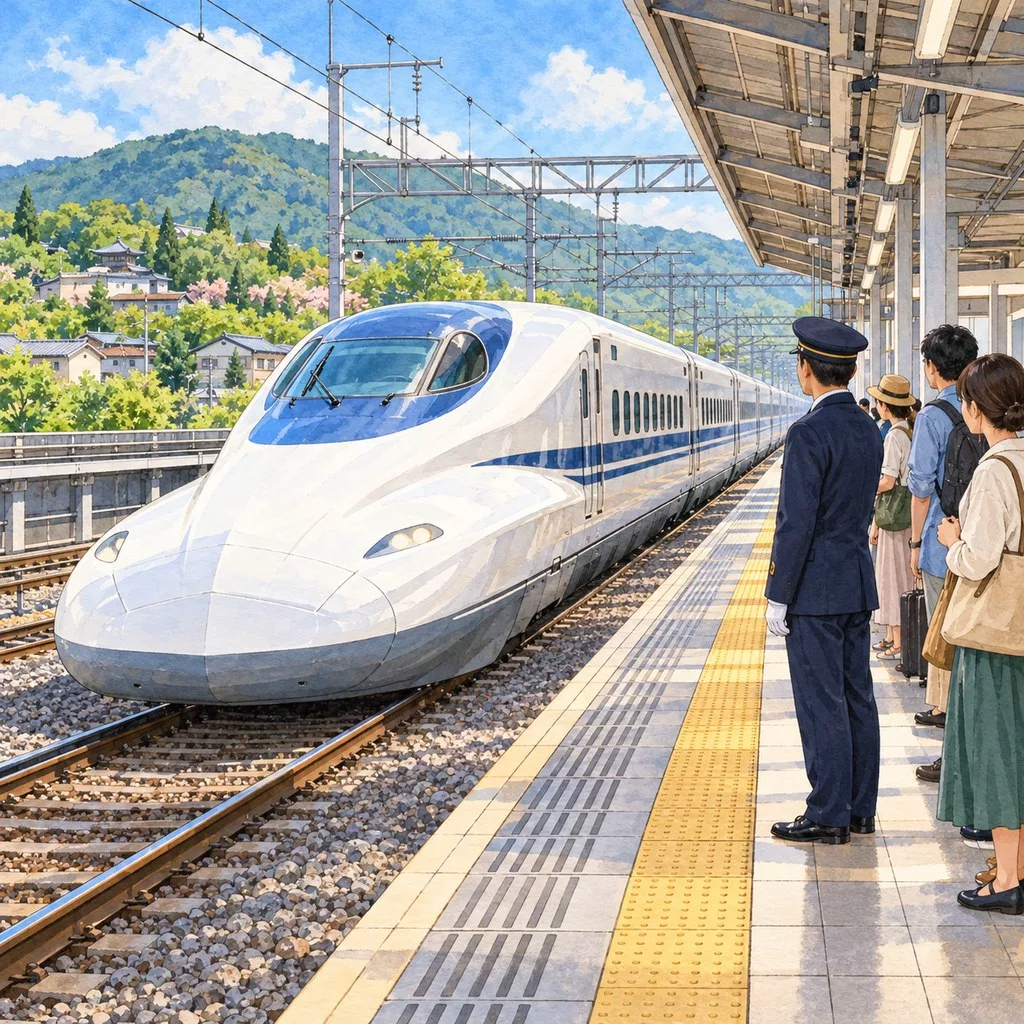
B2(中上級) · 🏙 社会 · 342語 · 約3分
Japan's Ageing Society and Robots in Care Homes
日本の高齢化社会と介護ロボットの今
世界でも有数の高齢化が進む日本。深刻な人手不足に直面する介護の現場で、移乗支援や見守り、会話ロボットが果たす役割と、その可能性や導入の課題を客観的に探ります。
Japan has one of the oldest populations in the world, with nearly thirty percent of its citizens aged sixty-five or older. This unprecedented has generated an acute shortage of professional across nursing homes and assisted-living facilities. Government projections estimate that the country could face a deficit of hundreds of thousands of care workers within the coming decades.
To this intensifying strain, developers and healthcare providers have increasingly turned toward robotic technology. Care robots in Japan include several practical types, such as physical lifting aids, automated monitoring sensors, and interactive social companions. Physical lifting machines, such as powered , assist staff when transferring immobile residents between beds and wheelchairs. By supporting the lower back, these robotic suits can reduce the physical strain that leads to among nurses and caregivers.
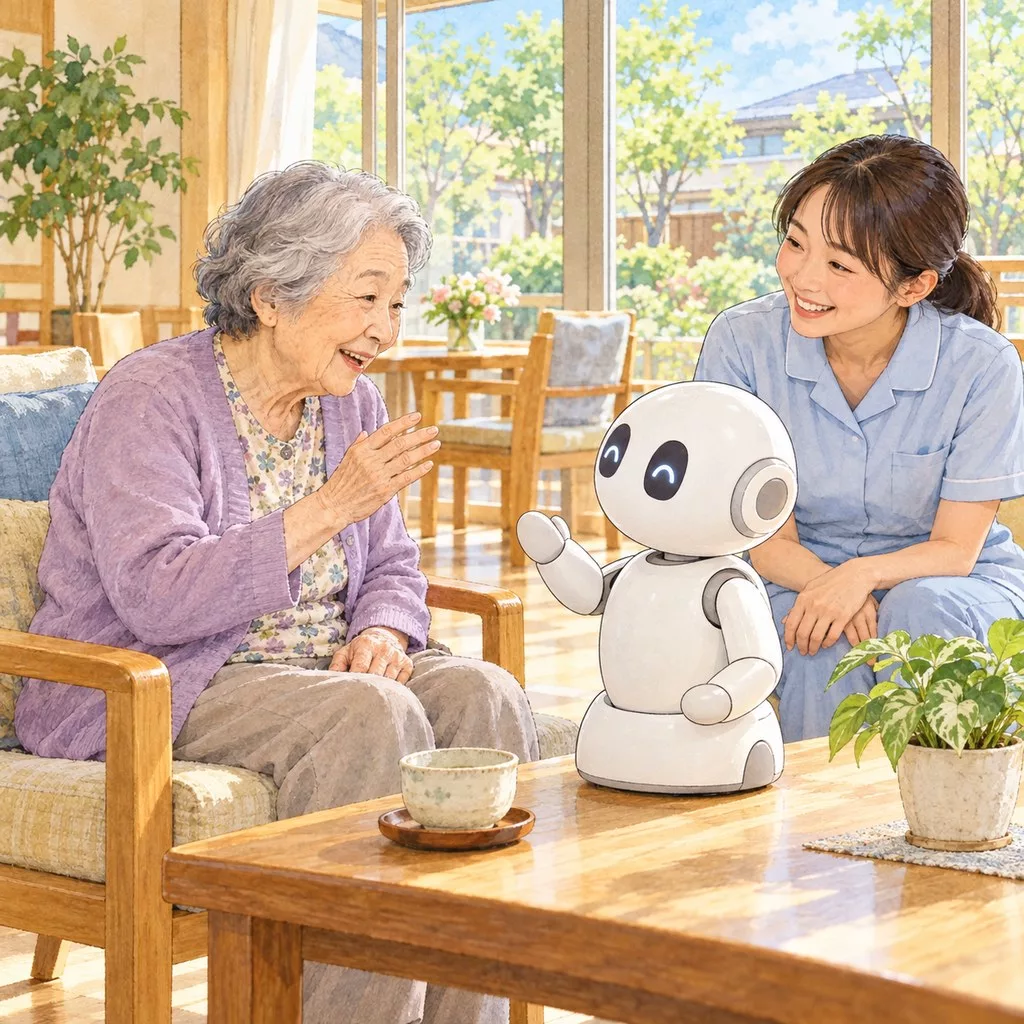
Meanwhile, sensor-based devices provide monitoring during the night. Smart mats beneath bed mattresses track and breathing patterns, and detect sudden movements when a resident tries to stand up. These monitoring systems alert staff immediately through smartphone notifications, reducing the necessity for frequent disruptive room checks. In recreational halls, robotic animals like seals and companion devices engage residents in simple conversations and singing exercises. Some clinical studies suggest that these friendly social robots can reduce anxiety and stimulate among people with dementia.
Despite these notable benefits, the adoption of care robots is not without significant complications. High initial purchasing costs and ongoing maintenance expenses present for smaller, independently owned nursing homes. Furthermore, some elderly residents feel machines, preferring the genuine warmth of human touch and conversation. Care staff also note that setting up mechanical equipment can sometimes take longer than performing tasks manually.
Industry specialists emphasize that robots are designed to human caregivers rather than replace them entirely. By automating physical duties and night monitoring, technology can free workers to devote more quality time to compassionate interpersonal interaction. As other nations prepare for similar demographic aging, Japan's experience offers invaluable lessons in balancing cutting-edge automation with .
理解度チェック(4問)
1. 電動アシストスーツ(外骨格)などの移乗支援ロボットがもたらす主な利点は何ですか?
2. マットレス下のスマートセンサーは、入所者のバイタルサインや立ち上がり動作を検知してスタッフに通知する。
3. 小規模な介護施設がロボットを導入する際の主な障壁として挙げられているものは何ですか?
4. この記事における介護現場でのロボットの役割に関する結論として最も適切なものはどれですか?
最後まで読んで、理解度チェックに答えると「読み終わった」になります(0 / 5 段落)