B1(中級) · 🎎 文化 · 262語 · 約3分
The Story of Emoji: From Japan to the World
絵文字の物語 ― 日本から世界へ
世界中で使われている絵文字は、1990年代後半の日本の携帯電話から広がりました。初期の絵文字のデザインから、世界共通の規格になるまでの流れを読んでみましょう。
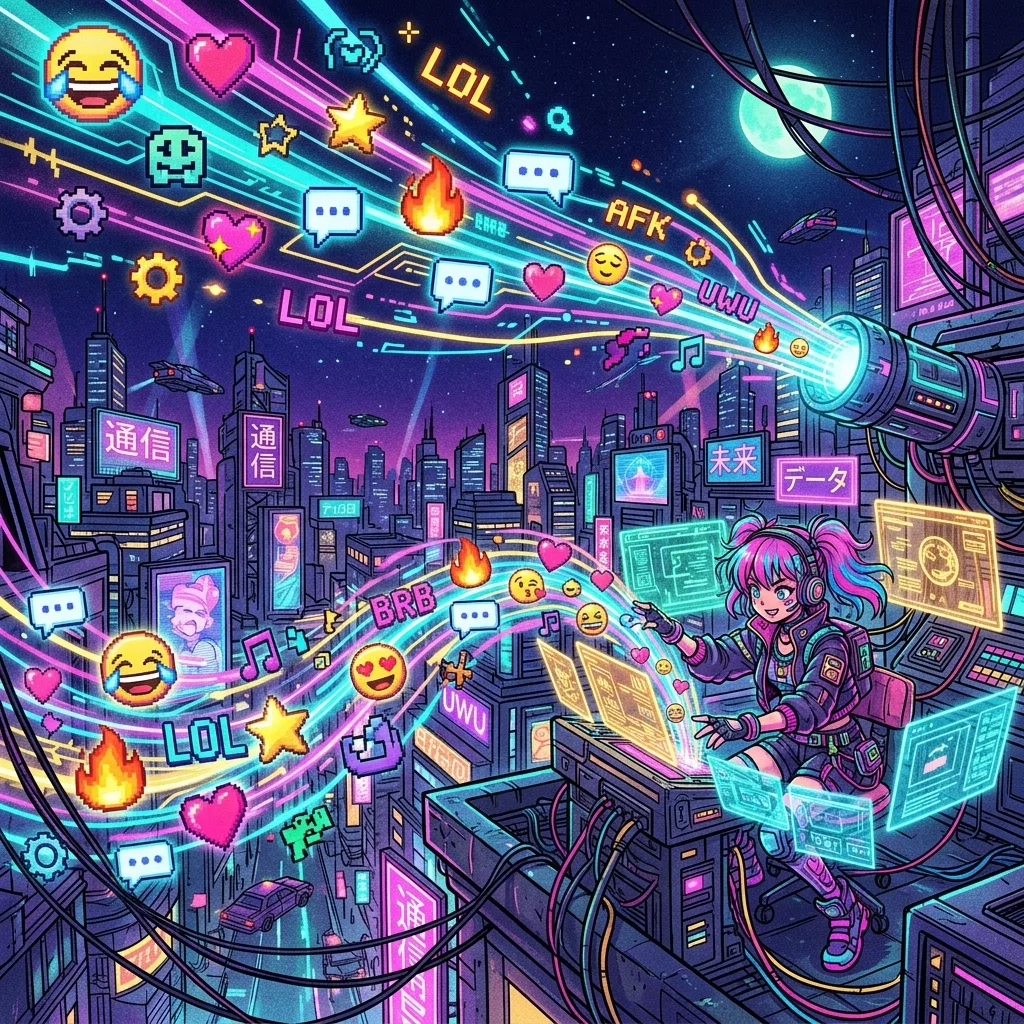
Today, people all over the world send smiling faces, hearts and thumbs-up signs in their messages. These little pictures are called emoji, and comes from Japanese. It combines e, meaning picture, and moji, meaning character, so it the English word emotion.
Small picture symbols started to appear on Japanese mobile phones in the late 1990s. One of the early sets was designed in 1999 by Shigetaka Kurita for NTT Docomo's i-mode service. He created 176 small images, and each one was drawn on a tiny of twelve by twelve pixels. For ideas, he looked at weather symbols, street signs and the of manga.
At first, however, each phone company in Japan emoji. , a picture sent from one company's phone did not always appear correctly on another. Later, companies including Google and Apple asked for emoji to be added to Unicode, the for text on computers. In 2010, hundreds of emoji were added to the standard, so they could be shared more easily between different devices.
Since then, emoji have Japan. In 2016, the Museum of Modern Art in New York added Kurita's original set to its collection. This showed that these simple images were now seen as an important part of .
Many Japanese readers may remember sending emoji from older mobile phones, smartphones arrived. Next time you add a smiling face to a message, remember that you are using an idea that grew up in Japan.
理解度チェック(4問)
1. 栗田穣崇さんが1999年にデザインした絵文字は何個でしたか?
2. emoji という言葉は、英語の emotion(感情)から来ている。
3. 2010年に起きたことは何ですか?
4. この記事の内容に最も合うものは?
最後まで読んで、理解度チェックに答えると「読み終わった」になります(0 / 5 段落)